Contents Jump to section
The IT Admin's Guide to Horses: What Equines Can Teach Us About Enterprise Architecture

The IT Admin's Guide to Horses: What Equines Can Teach Us About Enterprise Architecture
Five years ago, if you'd told me I'd be writing a blog post comparing horses to enterprise IT, I'd have assumed you were messing with me. But here we are. My wife is a horse person — like, really into horses and riding. After I started tagging along to the stables, and through our many conversations about equine care (mostly her talking while I nod with deep, husband-level understanding), it hit me: managing a herd of horses is weirdly similar to managing a fleet of enterprise endpoints.
I know how that sounds. Stick with me, though.
Horses Are Basically Endpoints
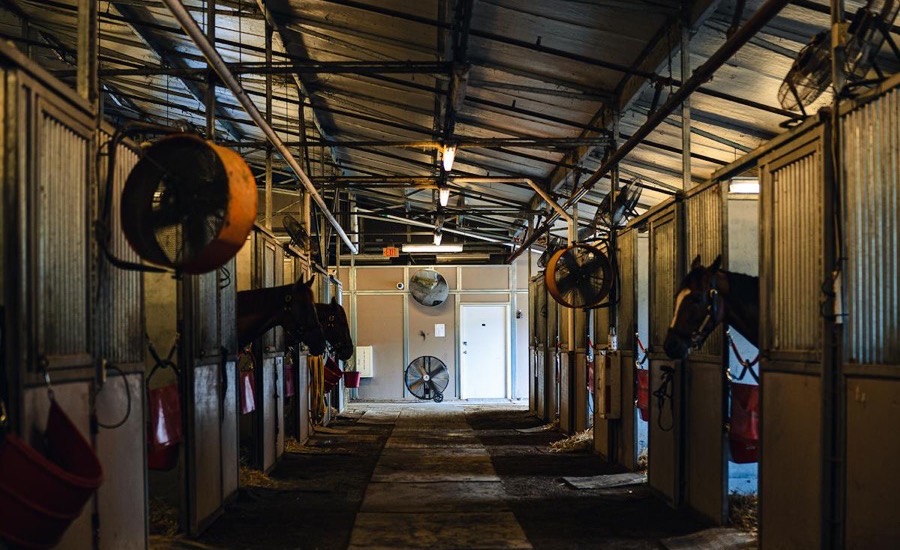
No, seriously. Each horse in a stable is an individual unit that needs to be:
- Provisioned — acquired, registered, given a name
- Configured — trained, fitted with the right saddle and bridle
- Maintained — regular vet checks, farrier visits, dental care (yes, horse dentists are a thing)
- Monitored — is it eating? limping? being weird?
- Retired — hopefully to a nice pasture and not a landfill
Swap "horse" with "Windows 11 device" and "farrier" with "Patch Tuesday" and you've basically got yourself an endpoint lifecycle document.
The Onboarding Process
When a new horse shows up at a stable, you don't just chuck it into the field with the others and cross your fingers. You quarantine it first. Check its health records. Introduce it to the herd gradually so nobody gets kicked.
This should sound familiar if you've ever onboarded devices into an Entra ID tenant. Quarantine through Conditional Access. Health checks via compliance policies. Gradual rollout using deployment rings. Same playbook, different species.
Pro tip: If onboarding a laptop at your org involves fewer steps than onboarding a horse at my wife's stable, maybe have a look at your security posture.
The Herd Hierarchy Is Just Active Directory
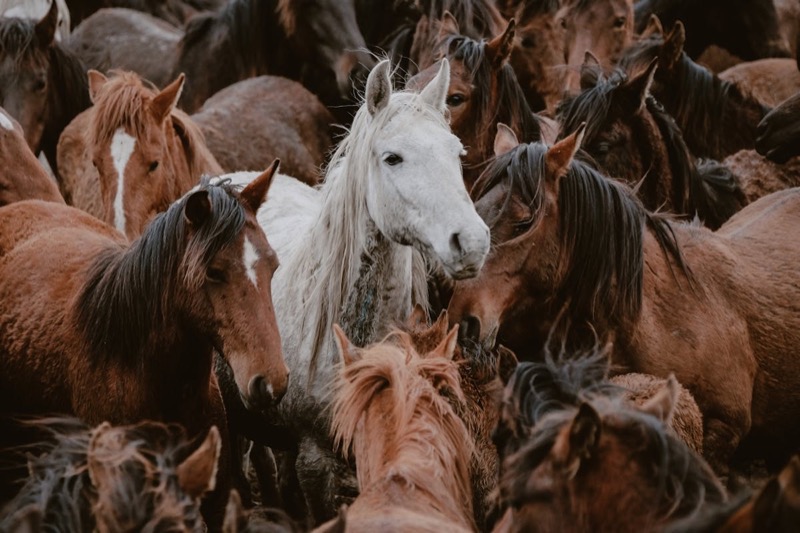
Horses have a strict pecking order. There's always a lead mare who decides where the herd goes, when they eat, and when they move. Every other horse knows exactly where it stands relative to her.
Tell me that's not just Active Directory with Organizational Units.
| Horse Role | IT Equivalent |
|---|---|
| Lead mare | Domain Admin |
| Stallion | That one senior engineer who thinks he runs everything but the lead mare actually does |
| Geldings | Standard users — reliable, low drama, gets the job done |
| Foals | Interns — curious, occasionally destructive, need someone watching them at all times |
| The ancient pony that's been there forever | The Windows Server 2012 R2 box that nobody dares decommission |
Point being: hierarchy matters. You wouldn't give a foal the same access as the lead mare, so stop handing out Global Admin to anyone who asks with a polite email.
Least Privilege, Equine Style
A well-run stable basically practices least privilege without even calling it that. Young horses start in a small paddock. As they prove they can handle themselves, they get access to bigger pastures. The ones that jump fences and cause havoc? Privileges revoked, immediately.
Zero Trust for horses. I didn't make the rules.
Feeding Schedules Are Just Patch Management
Every horse needs to eat on a regular schedule. Miss a feeding and you get an agitated, unproductive animal. Feed them something wrong and you get colic — which, for horses, can genuinely be life-threatening. I was surprised when I learned that. These are massive powerful creatures and the wrong lunch can take them out.
Patch management works almost the same way:
- Regular schedule: Horses eat twice a day (actually, they would die if they only ate twice a day, but I have taken creative freedoms to get my point across). Your endpoints need patches monthly at minimum.
- Right content: You wouldn't feed a horse cement. Don't push untested patches to production.
- Consequences of neglect: Unfed horse gets sick. Unpatched endpoint gets ransomware. Neither is a fun phone call.
- Staged rollout: Smart stable managers mix new feed in with the old stuff gradually over several days. Smart IT admins use deployment rings. Same idea, different grain.
Warning: In both worlds, ignoring the schedule because "everything seems fine right now" is exactly how you end up with an emergency at 2 AM on a Saturday.
The Farrier Is Your Update Baseline

So a farrier — for those who don't know, and I certainly didn't before all this — trims and shoes horses' hooves roughly every 6 to 8 weeks. Skip that appointment and the problems start compounding. Cracked hooves, then lameness, then posture issues that cascade through the whole body.
Ring any bells? That's what happens when you skip your configuration baselines and compliance checks. A missed security setting here, an outdated policy there, and before you know it the whole environment is limping along under a pile of technical debt you didn't notice accumulating.
The farrier doesn't care that the horse "looks fine." Every hoof gets checked, every time. Be the farrier of your IT environment. (I can't believe I just typed that sentence, but I stand by it.)
Horses Spook at Everything (Just Like End Users)
One thing I picked up quickly at the stables: horses are prey animals. They're wired to treat anything new or unexpected as a potential threat. Plastic bag blowing across the path? Full panic. Someone left a wheelbarrow in a slightly different spot? Life-or-death situation, apparently.
End users handle IT changes with roughly the same composure.
- New login screen? "I think I've been hacked."
- MFA prompt they've seen literally hundreds of times? "This looks different. I'm calling the helpdesk."
- Scheduled maintenance you announced three times over email, Teams, and a desktop banner? "Nobody told me about this!"
The fix is the same for horses and humans: gradual, consistent exposure. Horse people call it desensitization. We call it change management and user awareness training. Both take patience, both take repetition, and honestly, some individuals are just always going to freak out about plastic bags. You learn to accept it.
Backup Horses and Disaster Recovery
Every serious riding stable has a plan for when a horse goes lame. You don't cancel the whole lesson — you've got backup horses. Different sizes, different temperaments, but trained and ready to step in.
That's your disaster recovery plan right there. Production server goes down, failover kicks in. Primary cloud region has an outage, traffic routes to the secondary. The concept isn't complicated; it's the having actually set it up and tested it part that trips people up.
The stables running without backup horses are the same organizations running without tested backups. Everything works great right up until the moment it catastrophically doesn't.
The Horse Trailer Is Your Migration Tool
When you need to move a horse between stables, you use a horse trailer. The horse doesn't love it. There's usually some amount of "I am NOT getting in there." But with the right prep and a calm handler, horse gets from A to B in one piece.
Cloud migrations, same deal. Users don't want to move. There will be resistance, there will be complaints, someone will insist the old system was better. But solid planning, clear communication, and a steady hand gets everyone across without losing anything critical.
Note: In both situations, there's always that one individual who flat-out refuses to get on the trailer. You know exactly which user I mean. And my wife definitely knows the horse.
What This Actually Taught Me
Alright, jokes aside for a second. Spending time at the stables and — let's be honest — absorbing my wife's expertise through osmosis has reinforced a few things that I think genuinely apply to how we run IT environments:
Consistency is everything. Horses thrive on routine. If something changes without warning, they get stressed and start acting out. Same goes for your infrastructure. Standardize your processes, automate what you can, keep things predictable.
Catch problems early. A good horse person spots subtle changes in behavior before they turn into real issues. An ear position, a slight change in gait, eating less than usual. Good monitoring does the same thing — you want to know about the small anomalies before they snowball.
You can't force compliance. Well, technically you can — once. But you'll never build trust that way, and the horse (or the user) will fight you every time after that. Sustainable security culture comes from people actually understanding why they're being asked to do something, not from mandates and lockdowns.
Don't skip the basics for the flashy stuff. An expensive saddle means nothing if the horse's hooves haven't been trimmed. A cutting-edge SIEM means nothing if half your staff clicks on phishing links. Fundamentals first, always.
Rest matters. Horses need downtime or they break down and underperform. IT teams need the same thing. Burnout is real, and a tired admin makes mistakes the same way a tired horse stumbles. I've been on both sides of that late-night incident call. Take care of your people.
Wrapping Up
So next time someone gives you a look for reading about horse care instead of prepping for your next Microsoft certification, just tell them it's cross-disciplinary research into resilient systems architecture.
They won't buy it. But you'll know the truth.
And if you ever find yourself managing both a herd of horses and a fleet of endpoints — the horses are at least honest with you when something's wrong.
Got your own unlikely IT analogy? I'd love to hear it — find me on LinkedIn. I'm always on the lookout for new ways to explain Zero Trust to people who glaze over the second you say "Zero Trust."
Disclaimer: No horses were harmed in the writing of this post. Several endpoints were rebooted, but honestly they had it coming.